
How to Prevent Frozen Pipes During Minnesota Winter (And How to Thaw Them Safely If It’s Too Late)
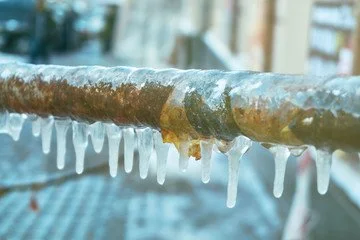
Frozen pipes are one of the most common (and costly) winter plumbing problems in Minnesota. When temperatures drop, water inside pipes can freeze, expand, and cause pipes to crack or burst, often leading to major water damage. The good news is that most frozen pipes are preventable, and if a pipe does freeze, knowing how to thaw it safely can make all the difference. The experts at Abel Plumbing are answering your questions about dealing with frozen pipes.
Why Frozen Pipes are So Common in Minnesota
Minnesota winters bring prolonged cold snaps, wind chills, and deep freezes that put plumbing systems under stress. Pipes most at risk for freezing include:
Pipes along exterior walls
Pipes in unheated areas like garages, crawlspaces, and basements
Outdoor faucets and hose bibs
Pipes with poor insulation or air leaks nearby
How to Prevent Pipes From Freezing
Insulate Exposed Pipes
Use pipe insulation or heat tape on pies in unheated or exterior areas. This is one of the most effective ways to prevent freezing.
Seal Air Leaks
Cold air entering through cracks or gaps near pipes can cause freezing. Seal openings around windows, doors, and where pipes enter walls.
Keep the Heat On
It may be tempting to save money on heating when you aren’t around, but it can actually save you more to keep the heat on and prevent a plumbing disaster! Even if you’re away, always keep your thermostat set to at least 55ºF. Turning the heat off completely is a common cause of frozen pipes!
Let Faucets Drip
On extremely cold nights, allowing a small drip keeps water moving, reducing the chance of freezing. This may seem like a waste of money and water, but a burst pipe is much worse on your wallet!
Open Cabinet Doors
Opening cabinets under sinks allows warm air to circulate around pipes, especially in kitchens and bathrooms along exterior walls.
Disconnect Outdoor Hoses
Remove hoses and shut off outdoor water sources if possible. Frozen outdoor faucets are a common source of burst pipes.
How to Tell If a Pipe Is Frozen
Signs of frozen pipes include:
Little/no water coming from a faucet
Frost on exposed pipes
Strange odors from drains
Unusual sounds when turning on faucets
If you suspect a frozen pipe, act quickly but carefully.
How to Thaw Frozen Pipes Safely (Without Causing Damage)
Turn on the Faucet
Open the affected faucet slightly. This allows water to flow as the ice melts and relieves pressure inside the pipe.
Apply Gentle Heat
Use safe heat sources such as a hair dryer, heating pad, or warm towels. Always start heating near the faucet and work toward the frozen section.
Never Use Open Flames!
Do not use blowtorches, propane heaters or open flames. These can damage pipes and create serious fire hazards!
Check For Leaks
As the pipe thaws, watch closely for leaks or cracks. Even a small split can turn into a major problem once water pressure returns.
When to Call in the Professionals
It’s time to call Abel Plumbing if:
You can’t locate the frozen section
The pipe won’t thaw
You discover a leak or burst pipe
Multiple pipes are frozen
The frozen pipe is behind walls or ceilings
Professional plumbers like Abel Plumbing have the tools and experience to thaw pipes safely and prevent further damage.
Frozen pipes can cause thousands of dollars in damage, but with proper prevention and fast action, they can be avoided. Whether you need help with frozen pipes, a broken water heater, hard water,fixture installation, or any of our professional plumbing services, Abel Plumbing is here to help. Contact us today at 763-682-4105 for expert help with winter damage or any of your plumbing needs.